An Oklahoma Bill That Died in Committee That Would Make Wildlife Shift from a Public Trust to Private Profit

A little-known bill quietly died in committee this spring. What it reveals about who really controls Oklahoma's deer—and the $200 million industry built around them.
OKLAHOMA CITY — On a legislative calendar packed with debates over education funding and tax cuts, Senate Bill 1074 slipped through the Oklahoma Senate with little fanfare. Authored by rancher-turned-senator Casey Murdock and co-sponsored by Rep. Nick Archer, the bill proposed something unprecedented in American wildlife management: transferring authority over big game commercial hunting operations from the Oklahoma Department of Wildlife Conservation to the Oklahoma Department of Agriculture, Food and Forestry.
The bill died quietly when it wasn't heard in the House Appropriations Committee. But its brief journey through the legislature—and the related HB 3270, which would allow private game farm deer to be released into wild populations—reveals a fault line in Oklahoma wildlife policy that conservationists say threatens the very foundation of how America manages its public wildlife.
"This is about who owns the deer," says Catherine Appling-Pooler, director of policy for the National Deer Association and an Oklahoma hunter herself. "Do they belong to the public, managed by professional wildlife biologists for the benefit of all Oklahomans? Or are they a commodity to be bred, sold, and managed by the agriculture industry?"
The North American Model Under Siege
For more than a century, Oklahoma—like every other state—has managed its wildlife under what's known as the North American Model of Wildlife Conservation. The principle is elegantly simple: wildlife belongs to all citizens, held in public trust by the state, and managed by professional wildlife agencies using science-based decision-making. It's the reason Oklahoma has healthy deer populations today after they were nearly hunted to extinction in the early 1900s.
SB 1074 would have quietly dismantled part of that framework.
The bill's text was straightforward: authority over commercial big game hunting areas and combination big game/upland hunting operations would shift from wildlife conservation officials to agriculture officials. On paper, it's an administrative transfer. In practice, conservationists and even the Oklahoma Wildlife Conservation Commission itself say it represents a fundamental philosophical shift—from treating wildlife as a public resource to managing it as an agricultural commodity.
"Wildlife conservation and agriculture have different missions," explains a former Oklahoma Department of Wildlife Conservation biologist who requested anonymity to speak candidly about legislative politics. "Agriculture is about production and profit. Wildlife conservation is about maintaining healthy, self-sustaining wild populations for public benefit. When you put deer under the same regulatory framework as cattle, you change the entire equation."
The $200 Million Question
Follow the money, and the motivation becomes clearer.
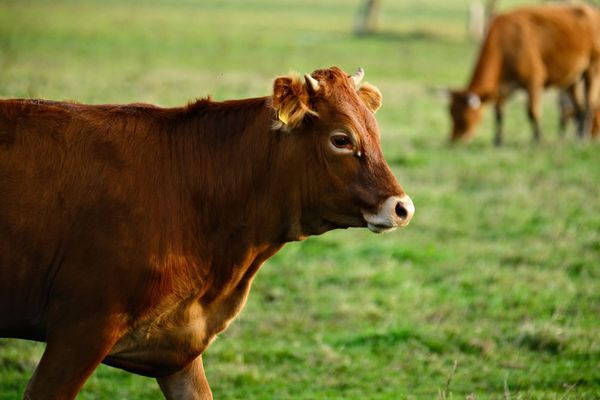
Oklahoma is home to more than 200 commercial deer breeding operations, generating an estimated $200 million annually for the state economy. These aren't the free-ranging deer that public hunters pursue each fall. These are captive-bred animals, raised behind high fences on private ranches, selectively bred for massive antlers that can fetch thousands of dollars from hunters willing to pay for a guaranteed trophy.
A quality breeding buck can sell for $6,000 or more. Some breeders spend several thousand dollars on a single breeder animal. The operations supply hunting ranches where clients pay premium prices for what the industry calls "managed hunts"—essentially, shooting pen-raised deer in enclosed areas.
It's legal, regulated, and until now, overseen by the Department of Wildlife Conservation, which has statutory authority over all wildlife in the state, captive or wild.
But there's tension. The deer breeding industry has long chafed under wildlife regulations designed to protect wild herds from disease and genetic pollution. The industry wants more permissive rules, faster permit approvals, fewer restrictions on moving animals across county lines, and less oversight from biologists trained in wildlife management rather than agricultural production.
Enter the legislature.
When Lawmakers Have Skin in the Game
Rep. Nick Archer, who co-sponsored SB 1074, also runs Archer Cattle Co. with his wife on her family's ranch near Cheyenne. His personal website proudly notes he's a "fifth-generation Western Oklahoman" with deep agricultural roots. He chairs the House Energy Committee and serves as vice chair of the House Republican Caucus.
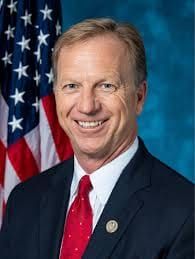
The bill's House author for the related HB 3270—which would allow game farm deer to be released into wild populations—was initially Rep. Kevin Wallace. Wallace is more than just a legislator with agricultural ties. Until recently, Wallace co-owned The Wilderness Refuge, a commercial hunting ranch, and operates Wallahachie Whitetails, a deer breeding operation with 100 animals that supplies bucks to hunting ranches.
When HB 3270 came up for a vote, Wallace voted for it. So did Rep. Scott Fetgatter of Okmulgee, who is also identified as a deer breeder in Wildlife Commission documents.
Senate author Casey Murdock farms and runs a cow-calf operation in Felt, in southwestern Cimarron County. His family has been in ranching since before Oklahoma statehood. He's chaired the Senate Agriculture and Wildlife Committee twice and has made protecting agricultural interests from "bureaucratic overreach" a cornerstone of his legislative career.
None of this is illegal. Oklahoma has no requirement that legislators recuse themselves from voting on bills that could benefit their personal business interests. But ethics experts say the pattern raises questions about whose interests are being served.
"When you have legislators who are also commercial deer breeders voting on legislation that would shift regulatory oversight of commercial deer operations away from wildlife biologists to agriculture officials, there's an inherent conflict," says a government ethics professor at the University of Oklahoma who requested not to be named. "Even if there's no direct quid pro quo, the appearance of self-dealing undermines public trust."
Archer, Murdock, and Wallace did not respond to requests for comment.
The Disease That Changes Everything
Chronic wasting disease has become the wildcard in Oklahoma's wildlife politics.
CWD is a fatal, incurable neurological disease caused by misfolded proteins called prions. It affects deer, elk, and moose, essentially creating sponge-like holes in their brains. There's no cure, no vaccine, and the prions can survive in soil for years, potentially decades.
And it's spreading.
Oklahoma confirmed its first case in a wild deer in 2023 in the Panhandle. By early 2026, six wild deer had tested positive. In December 2025, a CWD-positive deer was found just four miles from the Arkansas border, triggering the Wildlife Department's response plan. In February 2026, another positive case emerged near Felt—in Casey Murdock's home county.
Wildlife officials are alarmed. Neighboring states have all confirmed CWD cases. In Wyoming, where the disease has been present for more than 40 years, deer populations have shown dramatic declines in some areas. The disease decreases the age structure of herds—infected deer die young, reducing reproduction and hunter success rates.
For hunters, it's a specter. The CDC recommends against eating meat from CWD-positive animals due to theoretical (though unproven) risks of prion diseases jumping to humans, as happened with mad cow disease. Testing sites have been established in affected areas, but many hunters simply don't know if their harvested deer is infected—the disease can incubate for 12-18 months with no visible symptoms.
For game farm operators, it's a crisis of a different kind. CWD threatens to shut down the commercial breeding industry entirely if it spreads unchecked. Moving live deer across state lines is already restricted in most states. If wild populations become heavily infected, the political will to allow any commercial breeding operations could evaporate.
The "Genetic Resistance" Gambit
This brings us to HB 3270, SB 1074's more controversial cousin.
HB 3270 proposed creating a pilot program for releasing captive-bred deer with a specific genetic marker—the SS allele at codon 96—into wild populations, based on the premise that these deer are "resistant" to chronic wasting disease. The theory: resistant deer would breed with wild deer, spreading resistance genes through the population.
The bill also transferred authority to sell permits for stocking game farm deer from Wildlife Conservation to Agriculture.
"There is no conclusive scientific basis to verify that hypothesis," wrote Bryan Hendricks, the Arkansas Democrat-Gazette's outdoors editor, in an April column. Hendricks noted that Oklahoma is the only state that still operates a game farm, and the Department of Wildlife Conservation has wanted to close it for decades—only to be rebuffed repeatedly by the legislature.
The Oklahoma Wildlife Conservation Commission released a blistering position statement opposing HB 3270, calling it scientifically unsupported and warning it would make Oklahoma "the only state in the nation to currently allow stocking of captive, game-farm deer into the wild under state law."
Dr. Mark Ruder, director of the Southeastern Cooperative Wildlife Disease Study, told wildlife officials the science wasn't there to support claims of genetic resistance. Jennifer Malmberg, who leads chronic wasting disease research for the U.S. Geological Survey, has said there's no conclusive evidence the SS allele confers meaningful protection.
Yet the Texas A&M-based researcher who has been studying the genetics, Dr. Christopher Seabury, sent an email to Outdoor Life claiming that "less than one percent of the farmed white-tailed deer with 'resistance genetics' ultimately test positive for CWD at CWD-positive operations nationwide."
Seabury declined to comment on whether he was involved in creating the legislation.
The bill passed the House and was sent to the Senate, where it was assigned to the Agriculture and Wildlife Committee—chaired by Casey Murdock, its Senate author.
The High-Fence Controversy
At the heart of this debate is a fundamental question about what hunting means in America.
Traditional hunting—what most of the public imagines when they think of deer season—involves wild, free-ranging animals that could be anywhere in their home range. Success is uncertain. The deer have a sporting chance. It's challenging, sometimes frustrating, and deeply connected to conservation: license fees fund habitat restoration and wildlife management for everyone.
High-fence hunting is different. Animals are enclosed behind fences, often 8 to 10 feet high, on private properties ranging from a few hundred to several thousand acres. The deer are accustomed to human presence. Many have been selectively bred for enormous antlers that would rarely occur in wild populations. Hunters pay $3,000 to $10,000 or more for a guaranteed trophy.
The industry calls it "managed hunting" or "alternative agriculture." Critics call it "canned hunting"—shooting livestock with antlers.
"It's legal, and if that's how someone wants to hunt, that's their choice," says Appling-Pooler. "But when you start releasing those farm-raised animals into wild populations, you're making a choice for all hunters and all wildlife. You're mixing domestic genetics into wild herds. You're potentially spreading disease. And you're fundamentally changing what we mean by 'wild.'"
The concern isn't theoretical. In 1998, Oklahoma confirmed CWD in a captive elk herd in Oklahoma County—animals originally imported from Montana. The USDA euthanized the entire herd to prevent spread to wild animals. In 2019, CWD appeared at a farmed elk facility in Lincoln County.
Game farms concentrate animals at densities far higher than wild populations, creating ideal conditions for disease transmission. If infected animals escape—as occasionally happens when storms damage fences—or if their waste contaminates nearby areas, wild herds can be exposed.
This is why most states ban or severely restrict the release of captive cervids into wild populations. It's also why wildlife agencies, not agriculture departments, have historically regulated commercial hunting operations—because the public wildlife trust is at stake.
What SB 1074 Would Have Changed
The bill was technically narrow in scope: transferring regulatory authority over commercial big game hunting areas from the Department of Wildlife Conservation to the Department of Agriculture, Food and Forestry.
But the implications would have been significant.
The Department of Wildlife Conservation is staffed by wildlife biologists whose training and mission center on maintaining healthy, self-sustaining wild populations. Their regulations for commercial hunting operations focus on preventing escapes, limiting disease spread, maintaining genetic integrity of wild herds, and ensuring commercial operations don't undermine public hunting opportunities.
The Department of Agriculture is staffed by agricultural specialists whose training and mission center on maximizing agricultural production and supporting farm economics. Their regulations for livestock focus on production efficiency, market access, and industry profitability.
"It's not that agriculture officials don't care about disease," explains the former ODWC biologist. "But their framework is different. In agriculture, if you have a disease outbreak in cattle, you depopulate the herd, you compensate the farmer, you move on. With wildlife, you can't depopulate. Wild deer don't have property lines. A disease outbreak doesn't stay contained to one ranch. It spreads. And there's no compensation package for the public losing their wildlife heritage."
The shift would also affect permitting speed and priorities. Deer breeders have long complained about ODWC being too slow, too cautious, too restrictive. Agriculture officials, responsive to agricultural industry concerns, would likely adopt a more permissive approach.
"This is really about regulatory capture," says a wildlife policy analyst who has studied commercial hunting regulations across multiple states. "The deer breeding industry hasn't been able to get the rules they want from wildlife professionals, so they're going to the legislature to change who makes the rules."
The Pattern Across America
Oklahoma isn't alone in facing these pressures.
Across the country, commercial deer breeding operations have pushed for legislative changes to reduce wildlife agency oversight. The strategy is consistent: frame captive deer as "livestock" or "alternative agriculture," shift regulatory authority from wildlife to agriculture agencies, reduce restrictions on moving and releasing animals, and diminish the authority of wildlife commissions.
Texas, which has the largest commercial deer breeding industry in the nation, has seen repeated battles over disease testing requirements and release rules. Missouri has fought legislative attempts to classify captive deer as livestock. Wisconsin's legislature has clashed with its Department of Natural Resources over baiting and feeding regulations near commercial operations.
In nearly every case, the legislature includes members who own or have financial ties to commercial hunting operations or deer breeding facilities.
"What's happening in Oklahoma is part of a national trend," says Appling-Pooler. "The commercial cervid industry has become very sophisticated at using the legislative process to get what they can't get from wildlife agencies. And they have allies in legislatures because in many rural districts, these operations are viewed as economic development."
The National Deer Association, the Quality Deer Management Association, the Boone and Crockett Club, and numerous state wildlife federations have all opposed legislation that would shift management authority from wildlife agencies to agriculture departments or allow widespread release of captive-bred cervids.
What Happened to SB 1074
The bill passed the Oklahoma Senate. Then it went to the House Appropriations Committee, where it simply wasn't heard before the committee deadline passed.
Why it died is unclear. The House Appropriations Committee doesn't typically release statements about why bills aren't scheduled for hearings. Some speculate that opposition from the Wildlife Commission and conservation groups made it politically toxic. Others suggest the budget implications were unclear. Still others believe House leadership simply didn't want to wade into a controversy that would pit hunters against ranchers in an election year.
What is clear is that the issue isn't going away.
HB 3270, the related bill about releasing "resistant" deer, also stalled—but not before passing the full House and getting assigned to Murdock's Senate committee. Neither bill was formally voted down; they simply ran out of time.
In legislative terms, that means they're only mostly dead. Provisions could be amended into other bills. The same language could return next session. The pressure from the commercial deer industry isn't going to diminish—especially as CWD continues spreading and threatens the economic viability of game farms.
The Arkansas Problem
Even as Oklahoma's internal debate played out, neighbors were watching nervously.
In April, Arkansas Democrat-Gazette outdoors editor Bryan Hendricks wrote a column titled "Oklahoma bill is bad news for Arkansas deer." His concern: if Oklahoma releases game farm deer into wild populations, those deer don't respect state lines.
"Implementation of an ongoing, state-endorsed program that puts captive-bred deer on the landscape could also expose Oklahoma to legal disputes with neighboring states that are committed to maintaining strictly free-ranging, wild herds," warned the Oklahoma Wildlife Conservation Commission in its position statement.
Arkansas voters passed Amendment 35, which constitutionally places all wildlife matters under the Arkansas Game and Fish Commission's authority, specifically to prevent exactly this kind of legislative intervention in wildlife management. But Amendment 35 can't protect Arkansas from Oklahoma's decisions.
"I suspect that John Marks, the AGFC's chief legal counsel, is preparing briefs to protect Arkansas' interests," Hendricks wrote.
The prospect of interstate wildlife litigation—states suing each other over disease transmission or genetic pollution of wild herds—is unprecedented in modern American conservation. But as commercial interests increasingly clash with public trust wildlife management, legal experts say it's becoming more plausible.
The Public Was Largely in the Dark
Here's perhaps the most troubling aspect of the entire saga: almost no one knew it was happening.
SB 1074 generated virtually no media coverage. There were no public hearings where hunters, conservationists, or even casual outdoor enthusiasts could weigh in. The Oklahoma Wildlife Conservation Commission opposed it, but their position statement was released to limited fanfare and didn't make front pages.
For most Oklahoma hunters—the state has more than 100,000 licensed deer hunters—the first they'll likely hear about the attempt to shift big game management to the agriculture department will be this article, months after the fact.
"That's by design," argues a government transparency advocate in Oklahoma City. "Controversial changes to regulatory authority work best when they're boring. Bury them in technical language, move them quickly through sympathetic committees, avoid high-profile votes. By the time the public realizes what happened, it's law."
The strategy nearly worked. SB 1074 passed the Senate unanimously. It only died because it ran out of time in the House, not because it was rejected on the merits.
The Larger Questions
The fight over SB 1074 and HB 3270 ultimately isn't about administrative efficiency or even disease management. It's about a much more fundamental question: who decides what happens to public wildlife?
Under the North American Model, the answer has been clear for more than a century: professional wildlife agencies, operating on scientific principles, managing wildlife as a public trust for the benefit of all citizens.
But as wildlife becomes increasingly valuable—trophy deer worth thousands, elk hunting generating millions in tourism, predators raising the ire of ranchers—that model faces pressure from economic interests that want more say in management decisions.
When legislators with direct financial stakes in commercial hunting operations author bills to shift regulatory authority away from wildlife professionals to agriculture officials who answer to agricultural industries, the public trust framework starts to erode.
"Once you go down this road, it's hard to come back," warns the wildlife policy analyst. "If deer become livestock in the eyes of the law, what about elk? What about wild turkeys on commercial hunting preserves? What about predators that affect ranch operations? At what point does wildlife management become subordinate to agricultural economics?"
The Oklahoma Wildlife Conservation Commission—a body of seven citizens appointed by the governor to oversee wildlife policy—understands what's at stake. In their position statement opposing HB 3270, they noted that for over a century, stewardship of wild deer has been "guided by professional science and the North American Model of Wildlife Conservation."
"This legislation would make Oklahoma the only state in the nation to currently allow stocking of captive, game-farm deer into the wild under state law," they wrote.
They added: "This model dictates that wildlife is a public trust that should not be commercialized or managed by private interests."
What Comes Next
SB 1074 is dead for now. HB 3270 is dead for now. But "for now" is the operative phrase.
Chronic wasting disease continues spreading. The commercial deer breeding industry continues seeking more favorable regulations. Legislators with personal stakes in that industry continue holding committee chairmanships and authoring bills.
The 2027 legislative session will begin in February. New bills can be filed. Old language can be recycled. Provisions can be quietly amended into larger agriculture or budget bills where they're less likely to draw scrutiny.
Meanwhile, everyday Oklahomans who hunt public land, who value wildlife as a public resource, who see deer as something more than agricultural commodities—most of them still don't know this fight is happening.
"That's what concerns me most," says Appling-Pooler. "This isn't about being anti-agriculture or anti-business. It's about whether wildlife belongs to all of us or to whoever can afford to breed it and sell it. And that's a conversation that should happen in the open, with public input, not buried in committee rooms where the only people paying attention are the ones who stand to profit."
The Oklahoma Department of Wildlife Conservation continues monitoring for chronic wasting disease. They continue testing hunter-harvested deer. They continue managing wild herds according to scientific principles.
How much longer they'll have the authority to regulate commercial operations that intersect with those wild herds—and whether Oklahoma's deer will remain a public trust or become an agricultural commodity—may depend on whether the public starts paying attention.
SB 1074 died in committee this spring. But in the Oklahoma legislature, nothing stays dead for long.
Editor's note: This article is based on public legislative records, position statements from the Oklahoma Wildlife Conservation Commission, scientific research on chronic wasting disease, and interviews with wildlife policy experts, conservationists, and government ethics scholars. Multiple requests for comment were sent to Senators Casey Murdock and Representatives Nick Archer and Kevin Wallace. None responded. The Oklahoma Department of Agriculture, Food and Forestry declined to comment on pending or proposed legislation.