Kevin Hern is Worth $100 Million, Trades Stocks Related to His Committees, And Received $1 Million PPP Loan

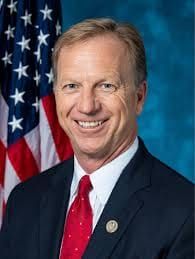
The Congressman Who Trades Millions: Kevin Hern, Oklahoma’s Stock-Market Senator-in-Waiting
In the spring of 2026, as Rep. Kevin Hern (R-OK) cruised toward the Republican nomination for U.S. Senate, a familiar pattern reemerged. Financial disclosure reports showed the multimillionaire congressman and businessman had once again been slow to tell the public about enormous stock trades—transactions totaling millions of dollars that, depending on whose calculator you trust, may have violated federal transparency law.
It wasn’t the first time. Hern has been dinged before for tardy filings under the STOCK Act, the 2012 law meant to curb insider trading by members of Congress and force timely disclosure of their personal financial moves. Yet here he was, a senior Republican on the cusp of higher office, with fresh questions about whether his portfolio and his public duties had grown too cozy.
Slate-style reporting demands we go beyond the headlines. Who is Kevin Hern? How did a successful businessman turned congressman rack up a net worth reportedly exceeding $100 million while serving in Washington? And what do his repeated disclosure issues, timely health-sector trades, and pandemic-era PPP loan forgiveness say about the state of congressional ethics in an era when stock trading by lawmakers remains legal but increasingly radioactive?
From Tulsa Entrepreneur to Capitol Hill Power Player
Kevin Ray Hern was born in 1961 and built a career as a franchise owner and businessman in Oklahoma before entering politics. He won a special election in 2018 to represent Oklahoma’s 1st District, covering Tulsa and surrounding areas, and has held the seat comfortably since. A reliable conservative vote, Hern has aligned with party leadership on taxes, health care tweaks, and opposition to many Biden-era policies.
Unlike many colleagues who arrive in Washington with modest means, Hern entered politics already wealthy. His background in franchising and investments provided a substantial cushion. As of late 2025, estimates placed his net worth above $108 million. Public filings show him actively managing a sizable portfolio through family trusts, with trades that sometimes run into the millions in a single reporting period.
That activity has drawn scrutiny. Between January 2020 and January 2022, Hern ranked among the top stock traders in the House. While trading itself isn’t illegal for members of Congress (a point defenders frequently emphasize), the STOCK Act requires disclosure within 30 days of a transaction becoming known, or 45 days in some interpretations, to allow the public and ethics watchdogs to spot potential conflicts.
The Disclosure Dramas: 2021 and 2026
Hern’s first prominent brush came in September 2021. Business Insider detailed nearly two dozen individual stock transactions from July of that year, worth between $1.06 million and $2.7 million at minimum and maximum values, that were not properly disclosed on time. The story fit a broader wave of STOCK Act violations across both parties—dozens of members have been cited over the years—but Hern’s scale stood out.
His office has typically pushed back, arguing technical compliance or that filings were made once awareness of the trades occurred. Critics counter that the delays undermine the law’s purpose: letting voters and journalists quickly assess whether a lawmaker might be benefiting from non-public information gleaned on Capitol Hill.
The pattern repeated more recently. In March 2026, Oklahoma Watch, working with NOTUS analysis of congressional records, reported that Hern appeared to have been late on disclosures covering at least $4.2 million—and possibly as much as $17.6 million—in stock and corporate security trades since early 2025. The House Ethics Committee’s own online calculator suggested some filings were days or even up to two weeks past deadline across multiple trades.
Hern’s team disputed the characterization, insisting the filings met the 45-day window for transactions. The discrepancy hinges on when the lawmaker is deemed to have “become aware” of trades executed by trusts or managers. Either way, the episode fueled renewed calls from transparency groups like CREW for a full ban on congressional stock trading.
One X user, summarizing the frustration shared by many reform advocates, noted Hern as part of a troubling trend: replacing one heavy trader (former Sen. Markwayne Mullin) with another. Others pointed to the optics during a Senate bid backed by former President Trump.
Trading While Overseeing: Health Stocks and Subcommittee Overlap
The disclosure timing is only part of the concern. Context matters—and in Hern’s case, it sometimes raises eyebrows about potential conflicts.
In late 2025/early 2026, Hern sat on the House Ways and Means Health Subcommittee. Around that time, he sold between $250,000 and $500,000 in UnitedHealth Group stock via a family revocable trust in which he reported 100% interest. The sale came as Congress debated broader issues affecting insurers and as the Trump administration later moved on Medicare reimbursement rates, which sent UNH shares tumbling.
Hern is far from alone; members on both sides have faced accusations of convenient timing in sectors they regulate. But the combination—active trading, committee assignment, and repeated late disclosures—amplifies calls for reform. Proponents of a ban argue that even the appearance of impropriety erodes trust, especially when average Americans cannot legally trade on similar information flows.
Financial transparency trackers like Capitol Trades and Quiver Quantitative have chronicled Hern’s activity alongside other frequent traders, showing buys and sells across tech, health, and other sectors. While no smoking-gun evidence of illegal insider trading has emerged in public reporting, the volume and timing keep the stories alive in watchdog circles and on social media.
PPP Loans, Student Debt, and the Hypocrisy Charge
Stock trades aren’t Hern’s only brush with financial controversy. In 2022, the White House spotlighted him and other Republicans who had criticized President Biden’s student debt relief plans while their own businesses benefited from forgiven PPP loans.
Hern’s affiliated businesses received more than $1 million in PPP forgiveness. The program, designed to keep workers employed during COVID shutdowns, was broadly used, and forgiveness was a feature, not a bug. But the optics were poor when Hern and allies like Sen. Mullin decried debt cancellation as unfair taxpayer burden-shifting. The White House Twitter account (under Biden) amplified the contrast, sparking rounds of coverage in Oklahoma media and national outlets.
Critics called it classic “rules for thee but not for me.” Supporters noted that PPP was bipartisan legislation and that many businesses across the political spectrum participated. Hern’s camp emphasized job preservation. Still, the episode lingered as an example of perceived elite insulation from the economic pain many constituents felt.
Earlier reporting also noted Hern’s businesses had received PPP funds while he opposed greater transparency measures for the program in 2020.
Congress’s Stock Trading Problem
Hern’s story is symptomatic of a larger issue. Despite the STOCK Act, enforcement is weak—mostly limited to public shaming and occasional fines. Multiple attempts at a full ban have stalled, often along partisan lines or due to internal resistance. Bills like the ETHICS Act or similar proposals have gained traction in moments of scandal but rarely become law.
Data from OpenSecrets and others show lawmakers across parties continue to trade actively. Democrats have had their own high-profile cases (Nancy Pelosi’s husband, for example, though she has supported reforms). The post-2020 era, with volatile markets, meme stocks, and pandemic windfalls, intensified scrutiny.
Oklahoma’s political culture—pro-business, skeptical of heavy regulation—may blunt local backlash. Hern remains popular in his district and secured Trump’s endorsement for the Senate race, which he won in the primary. Yet national and online progressive and good-government voices continue to highlight his portfolio as emblematic of “swamp” behavior.
What It Means for a Senate Bid
As Hern eyes the Senate, these issues could become campaign fodder. Oklahoma is a deep-red state, and primary voters there have often rewarded conservative bona fides over ethics concerns. Still, independents and reform-minded Republicans elsewhere might wince at another wealthy trader ascending.
Hern’s defenders argue he’s a successful businessman whose expertise benefits policymaking, that no proven illegality exists, and that attacks are politically motivated. His office routinely disputes characterizations of tardiness. In public statements, he focuses on constituent services, fiscal conservatism, and opposition to federal overreach.
Critics, including some on the right frustrated with insider dealings, see a missed opportunity for leadership on ethics. One conservative X poster lamented support for Hern, citing “32M in insider trading since 2018” as contrary to draining the swamp.
The Path Forward
Congressional stock trading reform has bipartisan support in polls but faces steep odds in a polarized, money-influenced system. Blind trusts, real-time disclosure, or outright bans are debated options. Without stronger rules or enforcement, stories like Hern’s will likely continue—periodic disclosures, media scrutiny, defenses of technical compliance, and public cynicism.
Kevin Hern’s journey from Tulsa franchises to potential U.S. Senator highlights both the American dream of entrepreneurial success and the persistent tensions when that success intersects with lawmaking power. Whether his financial activity crosses ethical lines is debatable; that it fuels distrust in institutions is harder to deny. As voters weigh his record, the millions in trades, the timing questions, and the PPP contrast offer a case study in why “drain the swamp” rhetoric remains potent—and elusive—more than a decade after the STOCK Act’s passage.
This article draws on public reporting from Oklahoma Watch, Business Insider, Forbes, NOTUS, OpenSecrets, and congressional records. Financial disclosures are self-reported and subject to interpretation; no criminal charges have been filed against Hern related to these matters.