Derrick Reed of Muskogee is Getting Decades of Community Service Put Under Scrutiny

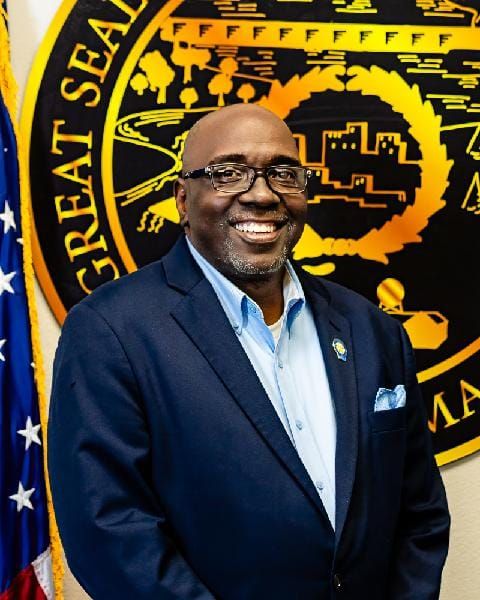
In a packed council chamber on a warm June evening in Muskogee, Oklahoma, the city's political and community worlds collided. The agenda was short but explosive: a legal opinion questioning whether Deputy Mayor Derrick Reed could continue serving as both an elected city official and the longtime director of the Dr. Martin Luther King Jr. Community Center. Supporters filled the room. One speaker was booed. The decision? Tabled until September.
What looks on the surface like a dry ethics review touches deeper fault lines in this eastern Oklahoma city: the tension between public funding, personal dedication, and good-government reforms in a place where one man's life's work has become intertwined with local institutions.
The Man at the Center
Derrick A. Reed is no newcomer to Muskogee. Born in 1972, raised in a single-parent home, he has been a fixture in community service since joining the NAACP Youth Council as a teenager in 1988. He became its president that same year. Elected to the Ward III City Council seat in 2011, he rose to Deputy Mayor and chairs the Finance Committee. But his most visible role is at the MLK Center, where he has served as Programs Director (and effectively its public face) since around 2010.
Under Reed's leadership, the center grew dramatically. It moved from a modest 5,000-square-foot facility into a modern 19,000-square-foot building in 2016, funded by a mix of Muskogee Foundation grants, community improvement funds, private donations, and public support totaling millions over the years. The center runs after-school programs, summer activities, and youth initiatives through Neighbors Building Neighborhoods (NBN), serving hundreds of kids with tutoring, mentoring, and recreation. Reed has described it as Oklahoma's only true MLK Center, a hub for uplifting youth in a city that has faced economic and social challenges.
Reed's June 19 statement was measured and defiant. He acknowledged the questions, rejected implications of wrongdoing, and emphasized good-faith service under evolving policies. "My dedication to Muskogee, to Ward III, and to the young people of our community has never wavered," he wrote.
The Legal Flashpoint
The controversy ignited with a legal opinion from Interim City Attorney Keri Spencer. The MLK Center has received more than $1 million in public dollars. Spencer argued this creates an "indirect conflict of interest" under Article 10, Section 11 of the Oklahoma Constitution, which prohibits certain overlaps and can carry criminal liability.
It's not an accusation of theft, embezzlement, or personal enrichment. Reed and supporters stress he has operated transparently for years across multiple mayors, councils, and attorneys without issue. Critics counter that the arrangement—where a sitting council member (especially one on the finance side) oversees a heavily publicly supported entity—deserves fresh scrutiny.
Mayor Ryan Lowe, elected in a razor-thin 2026 race, called the special June 18 meeting after hearing citizen concerns. In comments, he praised Reed's contributions while framing the review as necessary. The council's decision to table it suggests hesitation: strong community loyalty to Reed versus a desire to avoid legal risks.
Public Funding, Private Roles
The MLK Center isn't a direct city department. It operates under an agreement with the Muskogee – MLKCC Trust Authority and is managed by the nonprofit Neighbors Building Neighborhoods. Funding has come from sales tax extensions, foundations, and city resources. Reed has advocated for expansions funded by voter-approved taxes.
This hybrid model is common in small-to-mid-sized cities but creates gray areas. Reed abstaining from specific votes on center funding has been floated as a fix by some. Others argue he should choose: full-time at the center or on the council. Supporters note the center's success depends on his leadership; detractors see potential for undue influence.
Voices from the Community
At the meeting, support for Reed was vocal. Andre Jones urged looking at the situation carefully to avoid "destroying our city." Facebook discussions and local pages like Alan Monday Live called for nuance: fix any legal issues without erasing Reed's contributions.
Nina Grounds, who ran for Ward III, spoke in favor of addressing perceived corruption, drawing boos from the crowd. Her comments tapped into broader frustrations some residents express about Muskogee governance.
Reed's defenders often frame the scrutiny as coming at a suspicious time—under a new mayor pushing change after a competitive election. Lowe, a business owner, campaigned on forward momentum. Some locals speculate about political motivations or power shifts, though no hard evidence of a funded opposition campaign has surfaced. Comments range from "it's about time" to accusations of ingratitude toward a dedicated servant.
Broader Context in Muskogee
This isn't isolated. Muskogee has seen other ethics and transparency discussions, lawsuits, and debates over city resources. Reed himself has been involved in past city matters, including animal control reviews and sales tax pushes. The city operates with a council-mayor system where overlaps between elected roles and community nonprofits aren't unheard of—but state constitutional provisions add teeth.
The MLK Center's history adds emotional weight. Evolving from older community facilities tied to Muskogee's Black history, it symbolizes resilience and opportunity. Threatening Reed's role feels, to many, like threatening that legacy.
What Happens Next?
The tabling buys time until September. Options include restructuring Reed's role at the center (e.g., unpaid/volunteer elements or new reporting lines), policy changes, or—less likely in the short term—forcing a choice. A full review could clarify governance for similar arrangements citywide.
Reed remains committed to both posts for now, cooperating with any process. His statement rejects politicization and calls for fact-based resolution. Lowe's administration has an opportunity to demonstrate balanced leadership: protect public integrity without alienating a community pillar.
In small cities like Muskogee, personal relationships and institutional memory run deep. Derrick Reed embodies that—decades of hands-on service that statistics on youth programs can't fully capture. Whether this conflict resolves as a simple compliance fix or reveals deeper governance issues will say much about the city's direction.
For now, the center continues its work, kids show up for after-school programs, and Muskogee waits for the next chapter. In a place where community service often blurs lines between public and private, the real test is whether the response strengthens both the rule of law and the programs that serve the next generation.
EastOklahoma.com will follow developments, including the September review. Sources include public statements, council coverage from KJRH, Muskogee Phoenix, city records, and community commentary. This is an independent analysis.